CanCHECK-T1D Screening Program
Sign up for our screening program to learn your child’s risk of developing type 1 diabetes.
What is CanCHECK-T1D?
CanCHECK‑T1D is a Canadian pilot program created by the CanScreen T1D research team – a group of researchers, healthcare providers, community partners, advisors, and other members dedicated to advancing type 1 diabetes (T1D) risk screening in Canada. Together, we are building a national screening program that helps families learn whether their baby or child might be at risk of developing T1D in the future.
Our mission is simple: to make early type 1 diabetes risk screening available to every child in Canada in a way that is easy to access, fair for all families, and safe. Enrolment is now open, and we are excited to welcome your family into this important initiative. This screening program is part of a research study, and taking part is completely voluntary.
On this page
- Qu'est-ce que CanCHECK-DT1 ?
- Qu'est-ce que le diabète de type 1 ?
- Pourquoi est-il important de dépister le risque de diabète de type 1 ?
- Qui peut s'inscrire au programme de dépistage CanCHECK-DT1 ?
- En quoi consiste le dépistage du risque de diabète de type 1 ?
- Avez-vous besoin d'aide pour décider d'inscrire votre enfant ?
- Comment inscrire mon enfant au programme CanCHECK-DT1 ?
What is Type 1 Diabetes?
Type 1 diabetes is one of the most common lifelong conditions in children, and Canada is among the countries reporting a high number of cases. It is not caused by eating sugar or by anything a child, or their parents, did.
T1D is a condition where the body’s immune system mistakenly attacks the cells that make insulin. Insulin is a hormone that helps move sugar from our blood into our cells for energy. People with T1D rely on daily external insulin to stay healthy and manage their blood sugar levels.
Without insulin, sugar builds up in the blood to dangerous levels. In Canada, 19-25% of children with T1D are not diagnosed until they develop a life-threatening condition. Visit our Frequently Asked Questions (FAQs) to learn more about T1D.
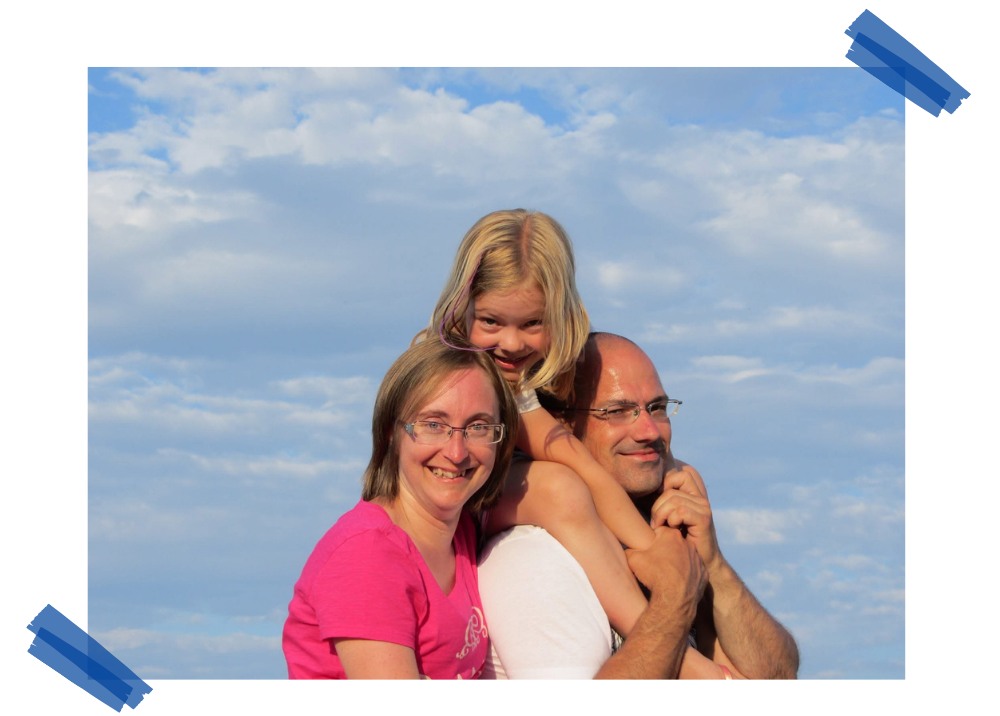
A cherished family moment with our community partner, Vanessa, and her parents, Judy and Lucien. Diagnosed with T1D at one year old, Vanessa is a passionate T1D advocate and is driven by the hope that meaningful and compassionate research can better support the entire community.
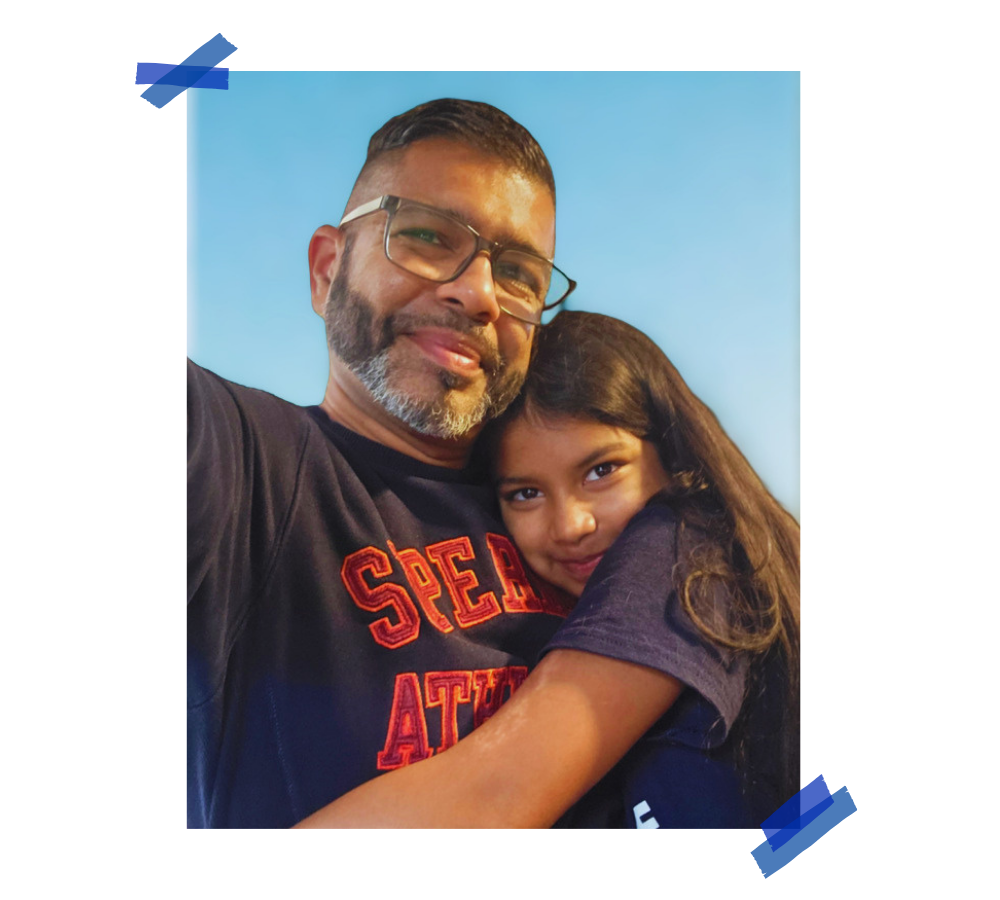
Conrad is the proud father of Chloe. Diagnosed with T1D during an emergency room visit, Chloe enjoys a happy childhood – supported by a loving family and a father who is a dedicated advocate for the T1D community.
Why Is Screening for Type 1 Diabetes Risk Important?
Type 1 diabetes can develop quietly, often starting before you notice any symptoms in your child. About 85-90% of people diagnosed have no family history, even though having a close relative with T1D does increase risk.
The good news is that the risk can be detected early, long before symptoms begin, through two types of screening:
Genetic Risk Score (GRS)
Some people are born with genes that make them more likely to develop T1D. CanCHECK-T1D looks for these specific genetic markers in babies to understand their risk of developing T1D someday.
Autoantibody Testing (AB)
In T1D, the immune system mistakenly targets the insulin-producing cells. As this begins, our body creates early warning signals called autoantibodies. These can be detected in children months, even years, before any symptoms appear.
Why Early Screening Matters
Type 1 diabetes develops in three stages, and during the first two stages children usually feel completely well even though the immune process has already started and autoantibodies are found in their blood. Without screening, most families do not know anything is wrong until symptoms suddenly appear, sometimes leading to serious health emergencies.
Screening helps by:
- Identifying risk early, before symptoms begin.
- Reducing the chance of severe complications at diagnosis.
- Giving families time to learn, prepare, and access monitoring support and therapies to delay a potential diagnosis.
Early knowledge empowers families and can make a meaningful difference in a child’s health journey.
Who Can Enrol in the CanCHECK-T1D Screening Program?
CanCHECK‑T1D includes two separate screening pathways: Genetic Risk Score (GRS) or Autoantibody Testing (AB). Your child’s age on the day you sign them into our program determines which pathway they join. Each child participates in only one pathway.

What Does Type 1 Diabetes Risk Screening Involve?
Genetic Risk Score (GRS) Pathway
We will use the same blood sample already collected through your baby’s routine newborn screening at birth. Everything we need is already in place. With your permission, we can complete the T1D risk screening.
Most babies will not be at an increased risk of developing T1D and will not need to continue in the program. But if your baby is at increased risk, we will provide educational resources, genetic counselling support, and autoantibody testing every year. Even with these extra steps, your child will stay in the GRS pathway.
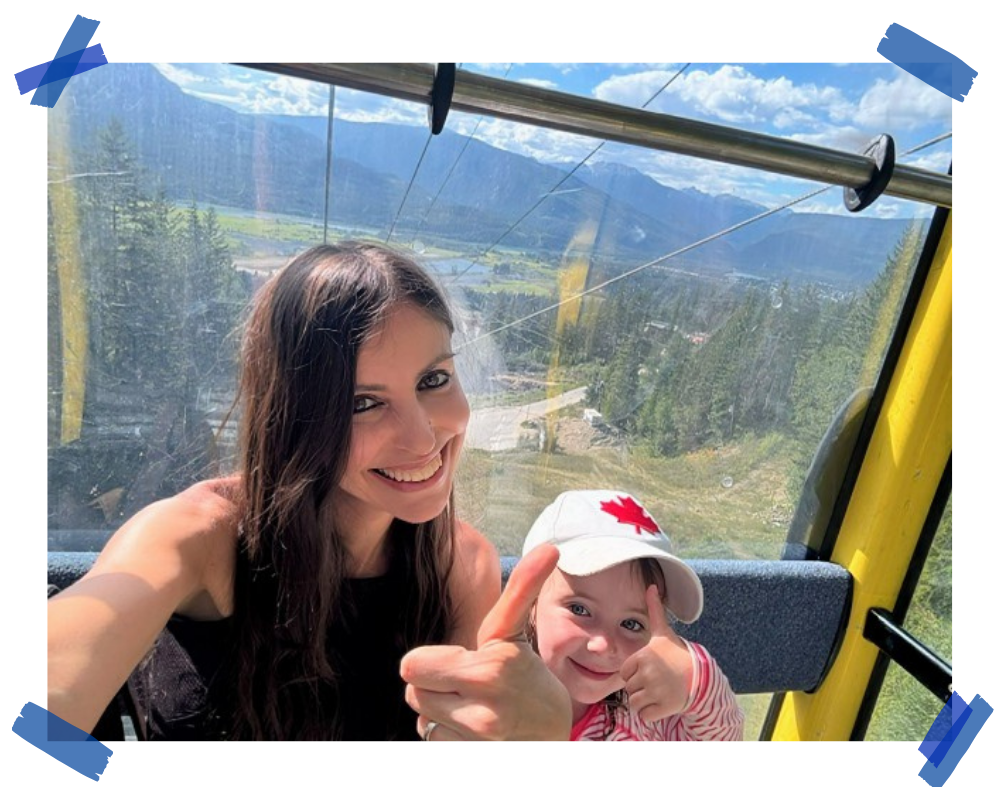
Our community partner, Tzipi, with her daughter Haley, who is living with T1D. With no family history, Haley’s diagnosis was unexpected and Tzipi is thankful it came before any serious complications. Tzipi could not be prouder of her girl. Haley is thriving and continues to inspire everyone around her.
Autoantibody Testing (AB) Pathway
Autoantibody testing is usually done using a blood sample, which can be collected with a finger prick. We will send you a home collection kit and instructions on how to poke your child’s finger, spot the blood onto a paper test, and mail us back the dried blood spot sample for free.
If your child’s screening shows autoantibodies, we will make sure you have clear information and invite you to confirm the result with a follow‑up test at a laboratory close to home.
Most children will not be found to have autoantibodies. Because autoantibodies can develop at any age, we will still invite you to repeat the screening at home every year until the end of our study.
Do You Need Help Deciding Whether to Enrol Your Child?
We understand that enroling your child in a screening program is an important decision. Our team is here to support you with clear information, so you know what to expect. If you have questions or need more details, these resources are available to assist you:
Need more information on the GRS or AB pathway?
When you start registering, you will be able to read more about the Genetic Risk Score (GRS) pathway or Autoantibody Testing (AB) pathway in our consent form.
Still have questions? Visit our Frequently Asked Questions (FAQs) for more information on type 1 diabetes, what risk screening involves, how to read your screening results, and more.
Need support deciding whether to enrol your child?
We have created an interactive online decision aid to help you decide whether screening is the right choice for your child. Using it is completely optional, and your responses are not recorded. It is designed to provide information about type 1 diabetes risk screening and support conversations within your family or with your healthcare provider so you can make a decision that feels right for you. Click here to access our decision aid.

Prefer to chat with a member of our team?
You can call us for free at +1 (866)-813-5190 to speak with a member of our team between Monday to Friday, from 9:00 A.M. to 5:00 P.M. ET. You can also email us at cancheckt1d@cheo.on.ca.
If you are not comfortable speaking or reading in English, we offer interpretation services in many languages. Please contact us and we will be happy to speak with you or help you complete any of our materials.