Programme de dépistage CanCHECK-DT1
Inscrivez-vous à notre programme de dépistage pour connaître le risque que votre enfant développe le diabète de type 1
Qu'est-ce que CanCHECK-DT1 ?
CanCHECK-DT1 est un programme pilote canadien mis en place par l'équipe de recherche DépisterCan DT1, composée de chercheurs, de professionnels de santé, de partenaires communautaires, de conseillers et d'autres membres qui se consacrent à faire progresser le dépistage des risques de diabète de type 1 (DT1) au Canada. Ensemble, nous mettons en place un programme national de dépistage qui aide les familles à savoir si leur bébé ou leur enfant pourrait être exposé à un risque de développer un DT1 à l'avenir.
Notre mission est simple : rendre le dépistage précoce du risque de diabète de type 1 accessible à tous les enfants du Canada, de manière simple, équitable pour toutes les familles et sûre. Vous pouvez désormais vous inscrire, et nous sommes ravis d'accueillir votre famille au sein de cette importante initiative. Ce programme de dépistage fait partie d'une recherche, et la participation est entièrement volontaire.
Sur cette page
- Qu'est-ce que CanCHECK-DT1 ?
- Qu'est-ce que le diabète de type 1 ?
- Pourquoi est-il important de dépister le risque de diabète de type 1 ?
- Qui peut s'inscrire au programme de dépistage CanCHECK-DT1 ?
- En quoi consiste le dépistage du risque de diabète de type 1 ?
- Avez-vous besoin d'aide pour décider d'inscrire votre enfant ?
- Comment inscrire mon enfant au programme CanCHECK-DT1 ?
Qu'est-ce que le diabète de type 1 ?
Le diabète de type 1 est l'une des affections à vie les plus courantes chez les enfants, et le Canada figure parmi les pays qui enregistrent un grand nombre de cas. Il n'est pas dû au fait de manger du sucre ni à quoi que ce soit que l'enfant ou ses parents aient pu faire.
Le DT1 est une maladie dans laquelle le système immunitaire du corps attaque par erreur les cellules qui produisent l'insuline. L'insuline est une hormone qui aide à faire passer le sucre du sang dans les cellules pour produire de l'énergie. Les personnes vivant avec un DT1 doivent s'administrer chaque jour de l'insuline externe pour rester en bonne santé et contrôler leur taux de sucre dans le sang.
Sans insuline, le taux de sucre dans le sang atteint des niveaux dangereux. Au Canada, 19 à 25 % des enfants avec un DT1 ne sont diagnostiqués qu’après avoir développé une complication mettant leur vie en danger. Consultez notre Foire aux questions (FAQ) pour en savoir plus sur le diabète de type 1.

Un moment familial précieux de notre partenaire communautaire, Vanessa, et de ses parents, Judy et Lucien. Diagnostiquée avec un DT1 à l'âge d'un an, Vanessa est une défenseuse passionnée de la cause du DT1 et est animée par l'espoir que des recherches pertinentes et bienveillantes puissent mieux soutenir l'ensemble de la communauté.

Conrad est fier d'être le père de Chloe. Diagnostiquée avec un DT1 lors d'une visite aux urgences, Chloe profite d'une enfance heureuse, entourée d'une famille aimante et d'un père qui défend avec dévouement les intérêts de la communauté des personnes touchées par le DT1.
Pourquoi est-il important de dépister le risque de diabète de type 1 ?
Le diabète de type 1 peut se développer silencieusement, et apparaît souvent avant même que vous ne remarquiez des symptômes chez votre enfant. Environ 85 à 90 % des personnes diagnostiquées n'ont pas d'antécédents familiaux, même si avoir un proche diagnostiqué augmente ce risque.
La bonne nouvelle est que le risque peut être détecté à l'avance, bien avant que les symptômes n'apparaissent, grâce à deux types de dépistage :
Score de risque génétique (SRG)
Certaines personnes naissent avec des gènes qui augmentent leur risque de développer un DT1. CanCHECK-DT1 recherche ces marqueurs génétiques spécifiques chez les bébés afin d'évaluer leur risque de développer un DT1 à l'avenir.
Dépistage des auto-anticorps (AC)
En cas de DT1, le système immunitaire s'attaque par erreur aux cellules qui produisent l'insuline. Dès le début de ce processus, notre corps produit des signaux d'alerte précoces appelés auto-anticorps. Ils peuvent être détectés chez les enfants plusieurs mois, ou même plusieurs années, avant que les symptômes n'apparaissent.
Pourquoi le dépistage précoce est-il important ?
Le diabète de type 1 se développe en trois phases, et au cours des deux premières, les enfants se sentent généralement en parfaite santé , même si le processus immunitaire a déjà commencé et que des auto-anticorps sont déjà présents dans leur sang. Sans dépistage, la plupart des familles ne se rendent pas compte qu'il y a un problème avant que les symptômes n'apparaissent soudainement, ce qui peut parfois mener à des urgences médicales graves.
Le dépistage permet de :
- Détecter le risque tôt, avant que les symptômes n'apparaissent.
- Réduire le risque de complications graves au moment du diagnostic.
- Donner aux familles le temps de s'informer, de se préparer et d'accéder à un suivi et à des traitements afin de retarder un potentiel diagnostic.
S'informer tôt permet aux familles de pouvoir agir et peut avoir un impact significatif sur le parcours de santé d'un enfant.
Qui peut s'inscrire au programme de dépistage CanCHECK-DT1 ?
CanCHECK-DT1 comprend deux parcours de dépistage indépendants : le score de risque génétique (SRG) ou le dépistage des auto-anticorps (AC). C'est l'âge de votre enfant le jour où vous l'inscrivez à notre programme qui détermine le parcours qu'il/elle suivra. Chaque enfant ne participe qu'à un seul parcours.


En quoi consiste le dépistage du risque de diabète de type 1 ?
Parcours du score de risque génétique (SRG)
Nous utiliserons le même échantillon de sang que celui déjà prélevé lors du dépistage néonatal de routine de votre bébé lors de sa naissance. Tout ce dont nous avons besoin est déjà en place. Avec votre permission, nous pourrons effectuer le dépistage du risque de DT1.
La plupart des bébés ne présenteront pas de risque accru de développer un DT1 et n'auront pas besoin de poursuivre le suivi du programme. Toutefois, si votre bébé présente un risque accru, nous vous proposerons des ressources éducatives, des services de conseil génétique et un dépistage annuel des auto-anticorps. Même avec ces étapes supplémentaires, votre enfant restera suivi dans le cadre du parcours SRG.
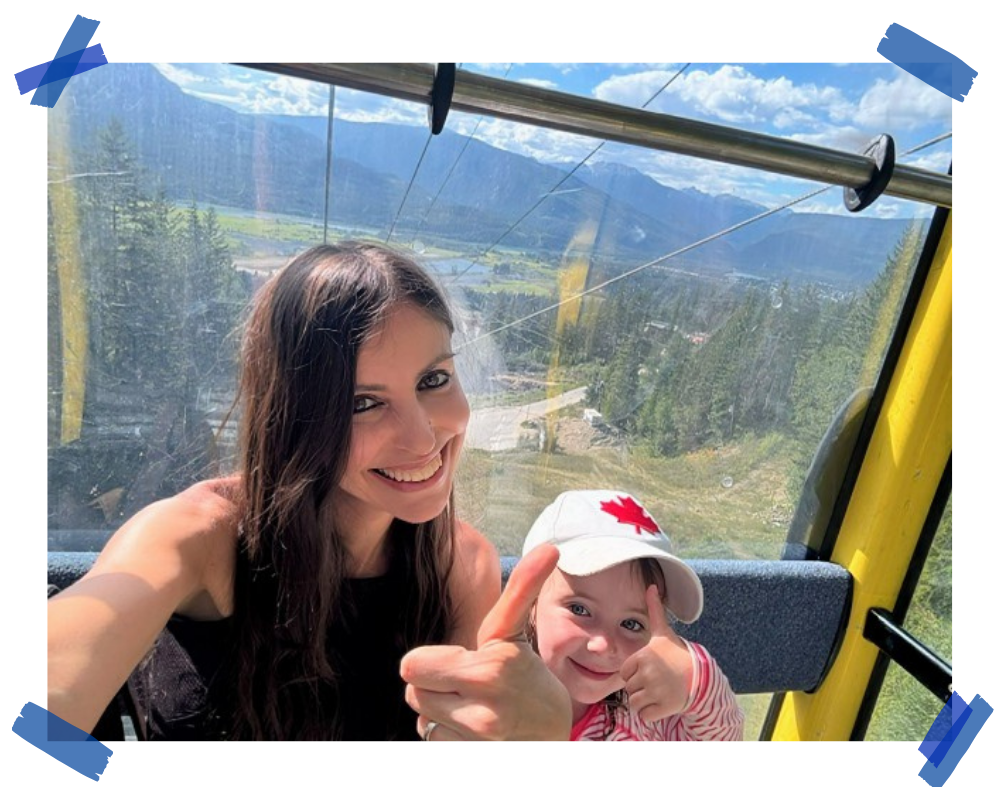
Notre partenaire communautaire, Tzipi, en compagnie de sa fille Haley, qui vit avec un DT1. Sans antécédents familiaux, le diagnostic de Haley a été inattendu, et Tzipi est soulagée que le diagnostic ait été posé avant que des complications graves se manifestent. Tzipi ne pourrait être plus fière de sa fille. Haley se porte à merveille et continue d’inspirer tous ceux qui l’entourent.
Parcours de dépistage des auto-anticorps (AC)
Le dépistage des auto-anticorps se fait généralement à partir d'un échantillon de sang, qui peut être prélevé par une simple ponction au doigt. Nous vous enverrons un kit de prélèvement à domicile ainsi que des instructions pour piquer le doigt de votre enfant, déposer le sang sur un test papier et nous renvoyer gratuitement l'échantillon de sang séché.
Si le dépistage de votre enfant révèle la présence d'auto-anticorps, nous nous assurerons que vous obteniez des informations claires et vous inviterons à confirmer ce résultat par un test de suivi dans un laboratoire près de chez vous.
Chez la plupart des enfants, on ne détectera pas d'auto-anticorps. Étant donné que les auto-anticorps peuvent apparaître à tout âge, nous vous inviterons tout de même à refaire le test de dépistage chez vous chaque année jusqu'à la fin de notre recherche.
Avez-vous besoin d'aide pour décider d'inscrire votre enfant ?
Nous comprenons que l'inscription de votre enfant à un programme de dépistage est une décision importante. Notre équipe est là pour vous accompagner en vous donnant des informations claires, afin que vous sachiez à quoi vous attendre. Si vous avez des questions ou souhaitez obtenir plus de détails, voici des ressources qui pourront vous aider :

Souhaitez-vous en savoir plus sur les parcours SRG ou AC ?
Lorsque vous commencerez votre inscription, vous trouverez plus d'informations sur le parcours du score de risque génétique (SRG) ou le parcours du dépistage des auto-anticorps (AC) dans notre formulaire de consentement.
Avez-vous toujours des questions ? Consultez notre Foire aux questions (FAQ) pour en savoir plus sur le diabète de type 1, ce qu'implique le dépistage du risque, comment interpréter les résultats de votre dépistage, et bien plus encore.

Avez-vous besoin d'aide pour décider si vous souhaitez inscrire votre enfant ?
Nous avons mis au point un outil d'aide à la décision interactif en ligne pour vous aider à déterminer si le dépistage est la bonne option pour votre enfant. Il est entièrement optionnel et vos réponses ne sont pas enregistrées. Il est conçu pour vous donner des informations sur le dépistage du risque de diabète de type 1 et pour faciliter les conversations au sein de votre famille ou avec votre médecin afin que vous puissiez prendre la décision qui vous semble la plus appropriée. Cliquez ici pour accéder à notre outil d'aide à la décision.

Préférez-vous discuter avec un membre de notre équipe ?
Vous pouvez nous appeler gratuitement au +1 (866)-813-5190 pour parler à un membre de notre équipe du lundi au vendredi, de 9 h à 17 h (heure de l'Est). Vous pouvez aussi nous envoyer un courrier électronique à l'adresse cancheckt1d@cheo.on.ca.
Si vous n'êtes pas à l'aise pour parler ou lire l'anglais, nous proposons des services d'interprétation dans de nombreuses langues. N'hésitez pas à nous contacter et nous serons ravis de vous parler ou de vous aider à remplir nos formulaires.