Research is strongest when it is shaped by the people it is designed to serve. At CanScreen T1D, we are thankful to our community partners whose ongoing involvement has helped guide our projects and keep our research family-centered, relevant, and meaningful.
November 1, 2026
At CanScreen T1D, we believe that research is strongest when it is shaped by the people it is intended to serve. To ensure our work is informed by families in Canada and those with lived experience, we established the Community Engagement Network, a group of individuals who provide valuable insights and feedback throughout the research process.
The Network brings together people living with or without type 1 diabetes (T1D), parents and caregivers, representatives from community and advocacy organizations, and members of the general public. Together, they help ensure that CanScreen T1D’s research remains relevant, inclusive, and responsive to the needs of families and communities across Canada.
Project teams partner with Network members throughout the research lifecycle, actively seeking and incorporating community perspectives to help guide decision-making and improve project outcomes. Members can participate in a variety of ways based on their interests, experience, availability, and capacity. A core group of Network members meets several times per year and provides ongoing input across multiple CanScreen T1D projects.
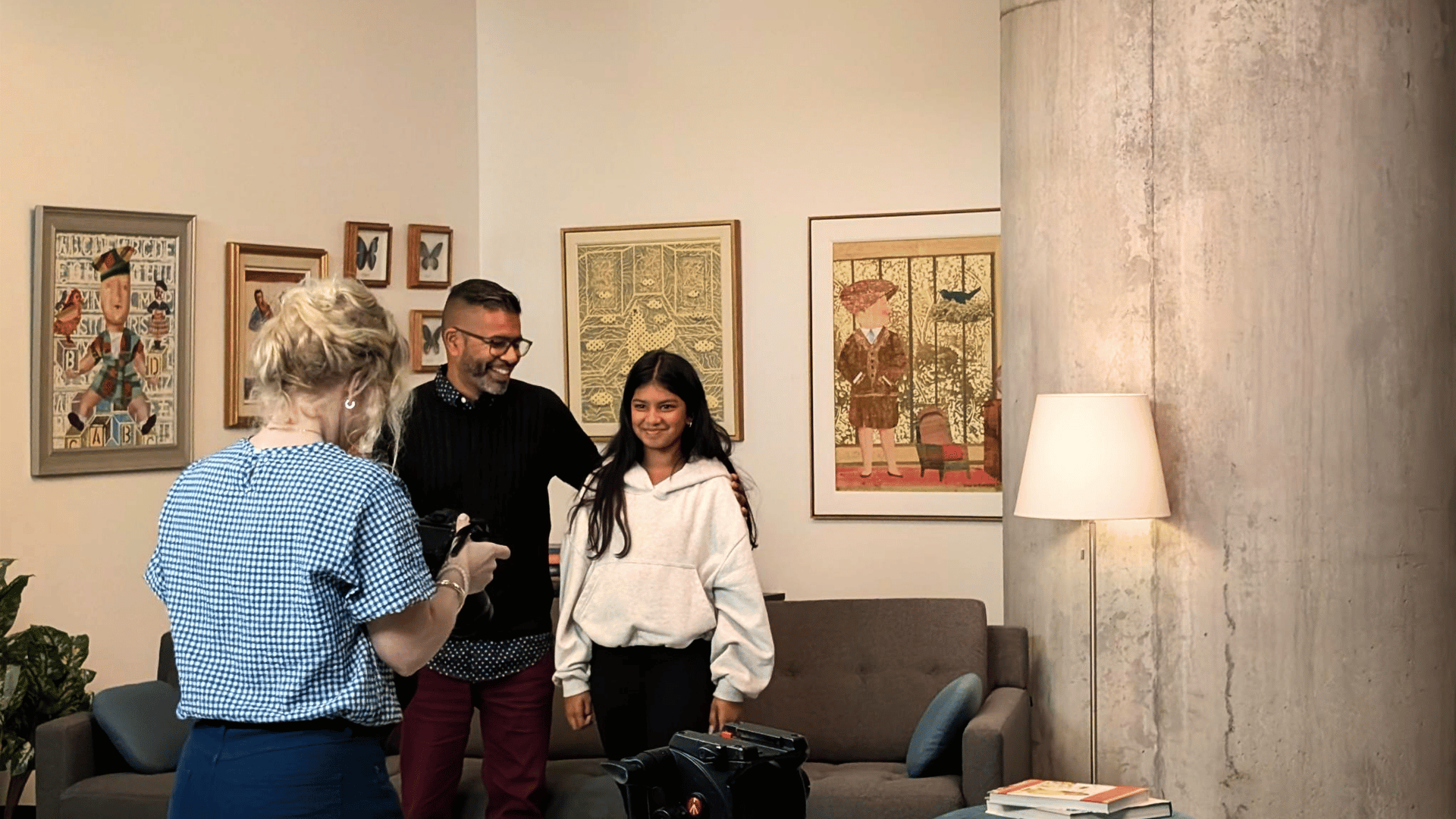
Our community partner, Conrad, and his daughter, Chloe, helping us record a dried blood spot sample collection video at The Hospital for Sick Children (SickKids) on August 5, 2026
Community Engagement in Action
Leading up to the launch of our CanCHECK-T1D pilot screening program, the Community Engagement Network members have played an important role in shaping key aspects of the project.
Community members have made important contributions to many areas of the project, including:
- Recruitment materials and outreach: Helping create posters, presentations, and communication materials that are clear, easy to understand, and meaningful for families.
- Testing online forms and tools: Reviewing participant forms, such as consent forms, eligibility questionnaires, and surveys, to make sure they are easy to use, accessible, and family-friendly.
- Dried Blood Spot (DBS) testing resources: Providing feedback on instruction guides and videos to ensure families feel more comfortable and confident when completing at-home blood sample collection, and even featuring in our instruction video!
- Antibody screening research: Working with the research team to improve how screening, test results, and follow-up information are communicated, making the process transparent for families.
- Participant journey mapping: Sharing perspectives on the experiences of children and families throughout the study to identify opportunities to improve the participant experience.
- Decision-making resources: Helping develop tools and information that support families in making informed choices about participating in screening.
- Metabolic monitoring needs assessment: Identifying the information, supports, and resources families may need if their child is found to have a higher chance of developing T1D.
- Core Outcome Set development: Providing input on the outcomes and experiences that matter most to people living with T1D and their families, helping ensure research focuses on what is most important to the community.
- Community engagement evaluation: Partnering with the research team to evaluate and improve our community engagement efforts, ensuring community members feel heard, valued, and able to meaningfully contribute to the project.

Our community partner, Sereena Kang
“Diabetes has always felt personal to me. Both of my grandparents lived with diabetes, so growing up I was always aware that family history and genetics can play a role in our health. Now that I have two young children of my own, I think about that even more. Early detection matters, and so does having the right information to understand your risk and make informed decisions for yourself and your family.
Being part of the Network has given me the opportunity to contribute in a way that feels meaningful. Through my involvement in Equity, Diversity and Inclusion (EDI) and Sex- and Gender-Based Analysis Plus (SGBA+) Committee, I want to help make sure information and resources are accessible to the people who need them and that different experiences and perspectives are considered.
I believe community voices are essential because lived experience brings a perspective that research alone cannot always capture. By sharing our experiences, we can help shape better resources, improve access to care, and give families the information they need to make informed decisions about their health and their future.”
Sereena Kang
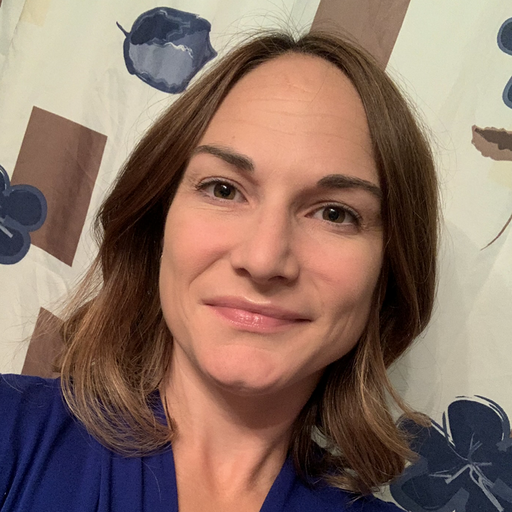
Our community partner, Pam Crotty
“My involvement with the CanScreen T1D Community Engagement Network reflects both my professional passion for community-engaged research and my personal perspective as a mother.
Throughout my career in clinical research, and more recently through my work with the Young Adult Cancer Canada (YACC) Recover Study, I have developed a strong appreciation for the importance of involving communities in research that directly impacts them. At YACC, I have seen firsthand how meaningful community engagement can strengthen research by ensuring that the questions we ask, the approaches we take, and the outcomes we prioritize reflect the needs and experiences of those we hope to support. I certainly see this shine through with the CanScreen T1D Community Engagement Network!
As a mother, I also recognize the value of early screening programs, like CanCHECK-T1D, and the potential they have to empower families with knowledge, preparation, and opportunities for early intervention.
Being part of this Network has given me an opportunity to bring both my research experience and a community-focused lens to the table. I believe research is most meaningful when communities are not simply participants, but active partners in shaping its direction. I’m grateful to contribute to a project that values these perspectives and is working to make research more inclusive, relevant, and impactful.”
Pam Crotty
Looking ahead, we are excited to move from planning and development into the next phase of our work with the launch of our CanCHECK-T1D pilot screening program. The feedback, ideas, and lived experiences shared by our Community Engagement Network members have helped shape many aspects of the program and ensure families remain at the centre of what we do. As the pilot gets underway, we look forward to continuing to learn from our community and sharing what we are learning along the way.
The program will include two screening pathways:
- The first pathway, for babies up to 6 months of age born in Ontario, Quebec, or British Columbia, will launch in the coming weeks. To be among the first to know when enrolment opens, follow us on social media and subscribe to our newsletter for updates.
- The second pathway, for children aged 18 months to 11 years and 9 months, living anywhere in Canada, is expected to launch in early 2027. Families interested in participating can express their interest today through our online interest form.
We are grateful to everyone who has shared their time, experiences, and perspectives with us. We look forward to continuing this journey together as we work to make type 1 diabetes risk screening more accessible for families across Canada.