What you will learn in this section:
- It is now possible to detect the risk for type 1 diabetes early.
- Detecting type 1 diabetes early may help children with type 1 diabetes be healthier.
- Detecting type 1 diabetes early may help families plan.
- Children who are in an early stage of type 1 diabetes may be able to get medicines that could delay onset.
Scientists used to think that type 1 diabetes started when you got diagnosed. Diagnosis happened when your blood sugars were so high it made you really sick.
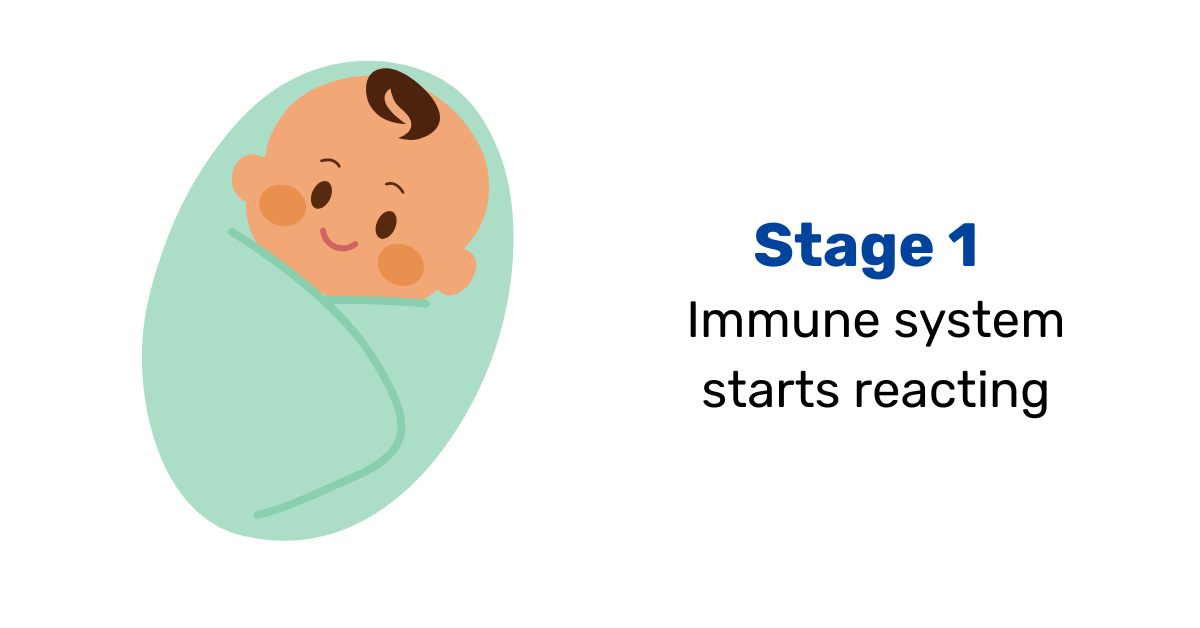
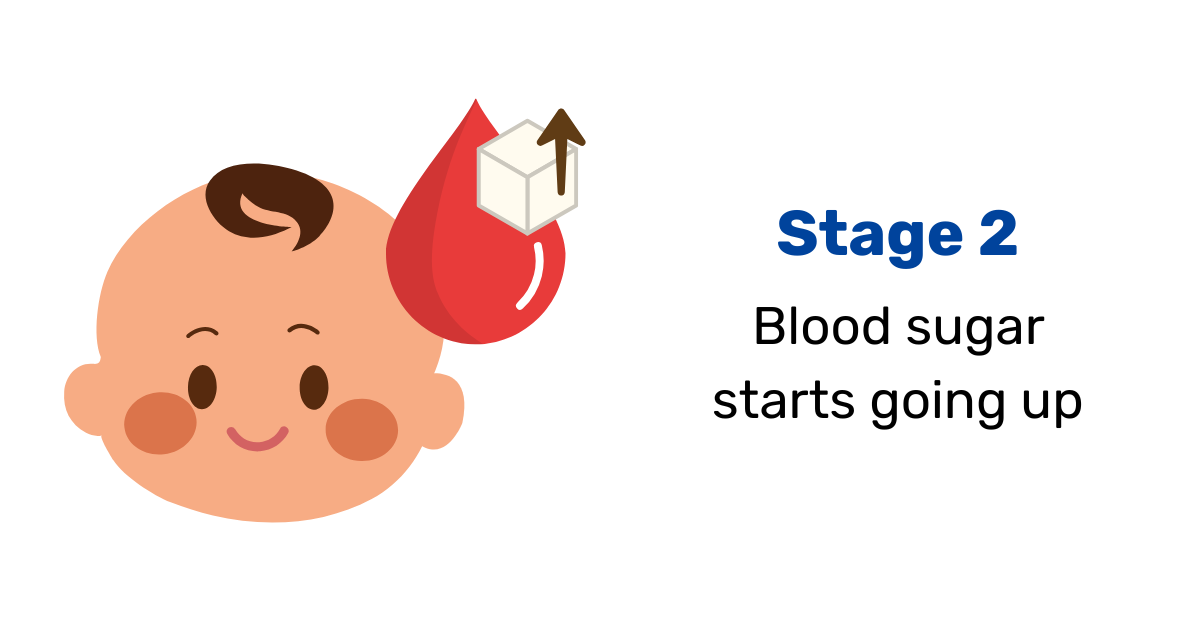
But now we can detect type 1 diabetes before blood sugars get very high. These are called Stages 1 and 2. When blood sugars get high, we now call it Stage 3.
The Three Stages of Type 1 Diabetes
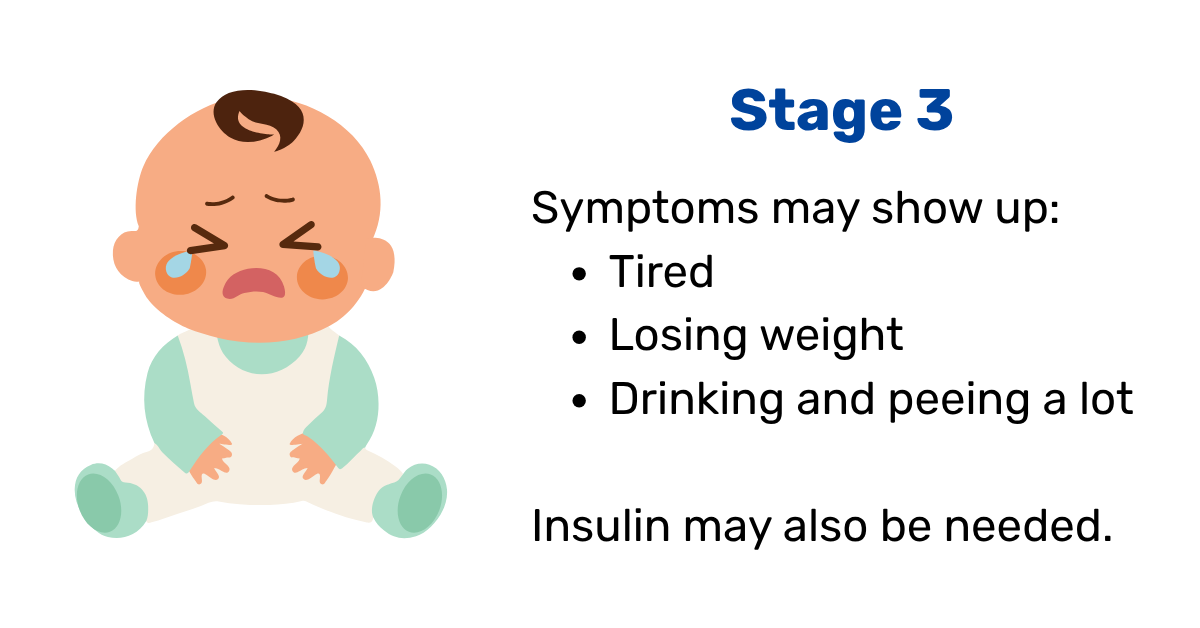
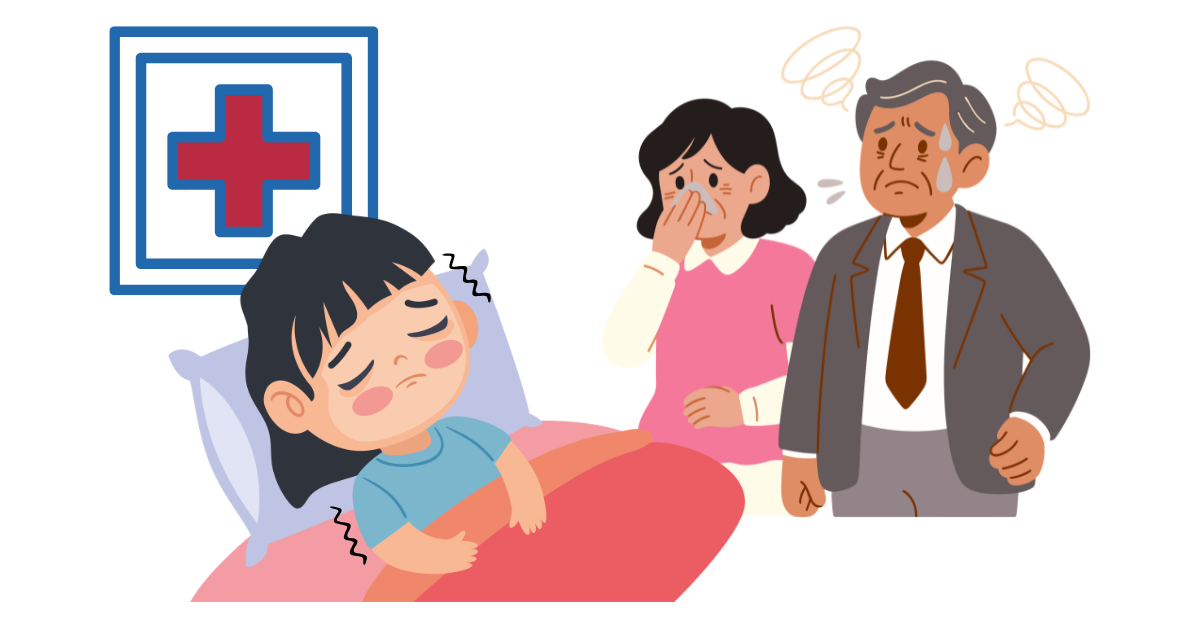
Many people with type 1 diabetes are not diagnosed until they are very sick.
About 25-40% of children in Canada who are diagnosed with type 1 diabetes present at the hospital, very sick with diabetic ketoacidosis (DKA), a life-threatening condition.
Diabetic ketoacidosis (DKA) usually requires a stay in the intensive care unit of a hospital. It can be scary. Having a family member in an intensive care unit or being in one yourself often leaves a lasting impact.
Compared to people who don’t have DKA at diagnosis, those who have DKA at diagnosis tend to have more difficulty managing type 1 diabetes in the future.
Why Screen for Type 1 Diabetes Risk?
Detecting the risk of developing type 1 diabetes before it starts might:
- help families plan,
- prevent children from getting very sick with diabetic ketoacidosis (DKA), and
- help identify the children who might benefit from medicines that can delay type 1 diabetes.
One way to identify children who are at risk is through “screening.” Screening means testing people for something even though they have no symptoms.
You might already know about children’s hearing screening tests or about breast, prostate, or colon cancer screening tests. These tests are done when there is no sign of hearing loss or cancer.
Babies born in Canada are usually screened for several conditions. If you have had a baby in Canada, your baby probably had their heel pricked for screening tests. These tests look for risks of developing rare but serious conditions. Babies who are identified as being at risk may be eligible for more tests. If the tests show the baby has one of those rare conditions, they can then get appropriate health care to help them avoid problems.
There is not yet routine screening for risk of type 1 diabetes in Canada.
Right now, guided by parents like you, Canadian scientists and doctors are studying whether it would make sense to add type 1 diabetes risk screening to the screening tests that babies born in Canada already get. Just like how it works for other conditions, children who are screened for type 1 diabetes risk and whose test results suggest they are at risk would get appropriate follow-up health care.
As part of studying this, we are inviting parents like you to consider screening your child or your future child.
Screening for risk of type 1 diabetes might be the right choice for you and your family, but you might also choose not to screen your child.
Key points of section 2:
- It is now possible to detect the risk for type 1 diabetes early.
- Detecting type 1 diabetes early may help children with type 1 diabetes be healthier.
- Detecting type 1 diabetes early may help families plan.
- Children who are in an early stage of type 1 diabetes may be able to get medicines that could delay onset.