What you will learn in this section:
You may choose to have your child screened because screening can:
- provide your family with useful knowledge,
- give you time to prepare,
- improve your child’s long-term health if they develop type 1 diabetes,
- give you access to better health care, and
- possibly give your child access to preventive care.
You may choose not to have your child screened because screening can:
- cause worry and anxiety,
- provide false reassurance in the rare event that your child’s screening results turn out to be wrong,
- lead to over-monitoring of your child,
- tempt you to use unproven approaches,
- possibly have negative impacts on your child’s ability to get life or health insurance.
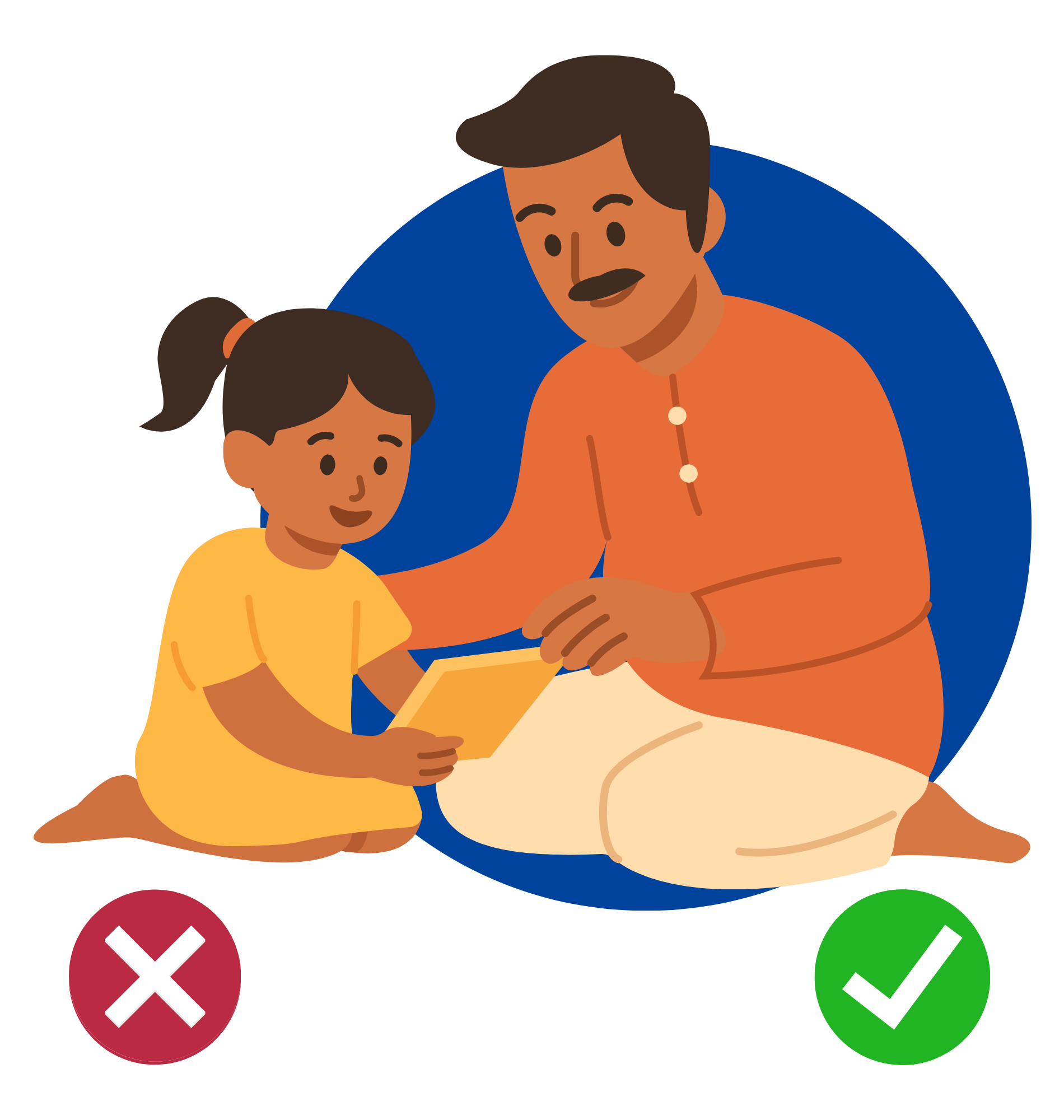
Here are some things you should consider when thinking about getting your child screened for risk of type 1 diabetes.
Reasons For Screening |
Reasons Against Screening |
|---|---|
Knowing Your Child’s Risk Can Reassure You and/or Help You Act Early. For many people, knowledge is power. If your child’s test results say that they are unlikely to develop type 1 diabetes, you may feel reassured. If your child’s test results say that they are more likely to develop type 1 diabetes, having more certainty may make you feel more empowered to act and take advantage of services available. |
Knowing Your Child’s Risk May Cause Worry or Anxiety If your child’s test results say that they are more likely to develop type 1 diabetes, you may feel worry or anxiety. This is a normal reaction. You will be offered support, but you might still feel worried and anxious. |
Screening Gives You Time to Prepare If your child’s test results say that they are more likely to develop type 1 diabetes, you will have time to prepare by making sure you know what symptoms to look for and possibly make life choices, like making sure your family has good supplemental health insurance or that you live somewhere with good public health insurance. |
Screening Might Give You False Reassurance If your child’s test results say that they are unlikely to develop type 1 diabetes, you may feel falsely reassured. If they are one of the very rare few who develop type 1 diabetes despite a negative screening result, you may feel betrayed, and your child might have a more difficult diagnosis than they otherwise would have had. |
Better Health for your Child Detecting type 1 diabetes earlier is associated with better health. People who are diagnosed before their immune system destroys too many of the insulin-producing cells tend to have an easier time dealing with type 1 diabetes throughout their life. As a result, they may be less likely to develop complications of diabetes like blindness, heart problems, or kidney disease. |
Over-monitoring Especially if your child’s test results say that they are more likely to develop type 1 diabetes, you may find yourself watching them all the time for subtle symptoms. Being constantly on the alert for things like, “Is my child peeing more than usual?” or “Does my child seem more thirsty than usual?” could negatively affect you, your child, and your relationship with your child. Some families may also refuse screening to avoid detection of a risk that, in reality, would never have caused a problem or led to any useful action. |
Better Health Care for Your Child If your child’s test results say that they are more likely to develop type 1 diabetes, you will have access to follow-up care and you will get education about what to watch for. This will allow high blood sugars to be found early and will probably help your child avoid getting very sick with diabetic ketoacidosis at diagnosis. |
Unproven Approaches If you are worried about your child developing type 1 diabetes, you may find yourself tempted to use unproven approaches that offer no benefit to your child (for example, dramatic changes to your family’s eating habits or unproven medicines) and may even cause harm (for example, disordered eating or harmful side effects of medicines.) |
Potential Access to Preventive Care If your child’s test results say that they are more likely to develop type 1 diabetes, they may be eligible for preventive treatments (immunotherapies)* that may delay the onset of type 1 diabetes. They may also be eligible for prevention trials, which may or may not prevent them from developing type 1 diabetes. You will be offered the opportunity to sign up online to be alerted of all options available for your child. |
Potential Negative Impact on Insurability By Canadian law, genetic tests cannot be used to decide whether or not someone can get life insurance. However, there is no such legal protection when it comes to antibody tests. This means that if your child has antibodies suggesting they may develop type 1 diabetes, it might someday impact their eligibility for life, health, or travel insurance.** It will not impact their provincial or territorial health insurance in Canada. |
* Immunotherapies are medicines designed to help the immune system stop attacking the insulin-producing cells in the pancreas. In 2025, Health Canada approved the first immunotherapy (teplizumab or Tzield) aimed at delaying the progression of type 1 diabetes from stage 2 to stage 3. Cliquez ici pour en savoir plus.
**This information is shared to help you learn. It is not medical or legal advice. For more information, see Foire aux questions: What is the Genetic Non‑Discrimination Act (GNDA)? What health information can insurance companies ask for? How could this study affect my child’s ability to get insurance?
To help you make a decision that feels right for your family, think about how each of these would feel if they happened to you/your child. Visit our Frequently Asked Questions page for more information.
Key points of section 4 (pros and cons):
You may choose to have your child screened because screening can:
- provide your family with useful knowledge,
- give you time to prepare,
- improve your child’s long-term health if they develop type 1 diabetes,
- give you access to better health care, and
- possibly give your child access to preventive care.
You may choose not to have your child screened because screening can:
- cause worry and anxiety,
- provide false reassurance in the rare event that your child’s screening results turn out to be wrong,
- lead to over-monitoring of your child,
- tempt you to use unproven approaches,
- possibly have negative impacts on your child’s ability to get life or health insurance.